

Career Counselling: A 2026 Guide for Students & Parents
With 2026 admissions, AI-driven job shifts, and competitive entrance exams, choosing the right stream, course, or career path feels harder than ever. Career counselling helps you cut through confusion with structured assessments, expert guidance, and a practical plan—so you don’t pick a future based only on marks, peer pressure, or trends.
This guide explains what career counselling is, who needs it, how the process works, and how to choose the right counsellor—plus clear next steps to book a session, get certified, or start a counselling business.
Why career counselling is trending in 2026
Career decisions today are influenced by fast-moving factors: AI automation, hybrid work, skill-based hiring, new-age degrees, and constantly changing entrance exam patterns. Families are increasingly looking for evidence-based guidance that connects aptitude + interest + personality + opportunities.
- AI & automation: Many roles are evolving; students need role clarity and skill roadmaps.
- Too many options: Traditional streams plus emerging fields (data, UX, product, sustainability, sports, psychology).
- Admissions pressure: Strategic planning matters for boards, CUET/competitive exams, and portfolio-based programs.
- Mental load: Confusion and comparison can impact confidence; counselling adds structure and support.
What is career counselling (and what it isn’t)
Career counselling is a guided process where a trained counsellor helps you understand yourself and map suitable education and career pathways. It typically combines standardized assessments with expert interpretation and a step-by-step plan.
It is not about forcing a single “best” career, selling a course, or making decisions only based on salary trends. The goal is a realistic, personalized roadmap you can execute.
Who should consider career counselling?
- Class 8–10 students: Stream selection, subject choices, early exploration.
- Class 11–12 students: Course/college planning, exam strategy, alternatives to Plan A.
- College students: Specialization choices, internships, employability skills.
- Graduates & working professionals: Career switch, growth path, higher education decisions.
- Parents: Understanding a child’s strengths and supporting decisions without conflict.
How the career counselling process works
- Discovery call / goal setting: Current situation, constraints, and expectations.
- Assessments: Aptitude, interest, personality, learning style, and career motivators.
- Interpretation session: What your results mean (and what they don’t).
- Career shortlisting: 3–7 best-fit options with pros/cons and reality checks.
- Roadmap: Subjects, exams, skills, projects, internships, timelines.
- Follow-up: Progress review and adjustments as goals evolve.
What you’ll get from a good counselling session
- Clarity: Reduced confusion with structured options.
- Confidence: Decisions backed by data and discussion.
- Direction: A practical next-steps plan for the next 3–12 months.
- Alternatives: Multiple pathways, not a single high-risk bet.
- Parent alignment: Better communication and realistic expectations.
How to choose the right career counsellor
- Credentials & training: Ask about certification, tools used, and methodology.
- Transparent process: Clear deliverables (report, roadmap, follow-up).
- Student-first approach: No pressure to buy a specific college/course.
- Experience with your stage: School vs college vs working professional needs differ.
- Ethics & privacy: Data handling and confidentiality matter.
Career counselling for schools: seminars & workshops
If you’re a school leader or educator, career seminars help students explore careers early and reduce last-minute confusion. Workshops can cover stream selection, entrance exam planning, career awareness, and parent orientation.
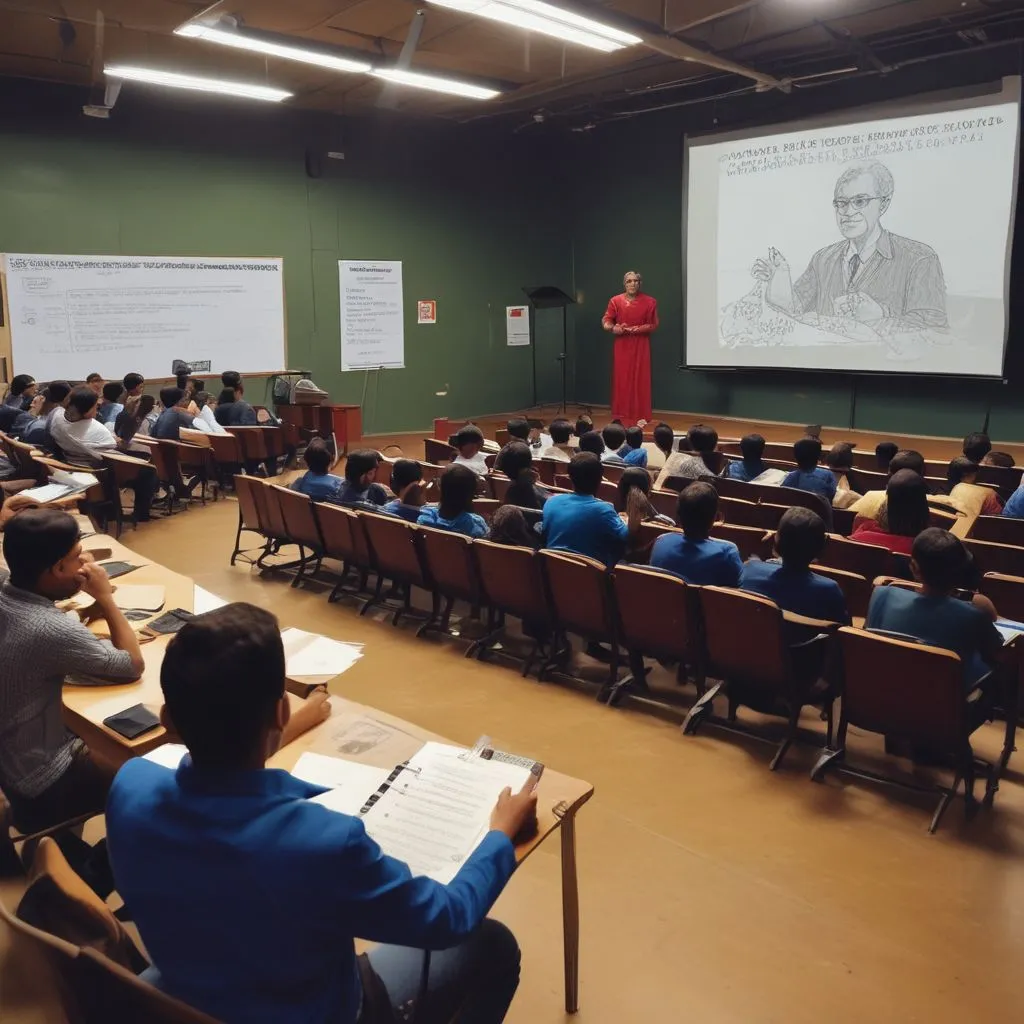
Want to become a career counsellor in 2026?
As career decisions get more complex, trained counsellors are in demand across schools, private practice, edtech, and community programs. If you enjoy mentoring and structured guidance, certification can help you build credibility and a repeatable counselling framework.
Start your own counselling business (franchise option)
If you’re exploring entrepreneurship, a counselling franchise can help you launch faster with proven processes, tools, and brand support—ideal for educators, psychologists, trainers, and career mentors.

FAQs
Is career counselling only for weak students?
No. High-performing students often need counselling to choose between multiple strong options and avoid regret.
When is the best time to do career counselling?
Ideally before key decision points: stream selection (Class 9–10), course/college planning (Class 11–12), and before specialization/career switch decisions.
Will tests decide my career?
Tests are inputs, not final decisions. A good counsellor uses results to guide discussion and build a realistic plan.
Next step: get clarity in one plan
If you’re stuck between options or unsure where to start, a structured counselling session can turn confusion into a clear roadmap.
Get Expert Career Guidance
Leave a Comment
To post comment, please