

Career Counselling: Choose the Right Path in 2026
In 2026, career decisions feel harder—not because options are fewer, but because they’re exploding. New-age roles in AI, data, cybersecurity, product, design, and digital marketing are evolving fast, while traditional careers are also being reshaped by automation and hybrid work. Career counselling helps you cut through the noise with clarity, structure, and a plan that fits your strengths, interests, and goals.
If you’re a student, parent, or working professional feeling stuck, this guide explains what career counselling is, who it’s for, and how to choose the right guidance—without falling for generic advice.
Get Expert Career Guidance
Personalized counselling, assessments, and a clear roadmap—built around your profile.
What is career counselling?
Career counselling is a structured process that helps you:
- Understand your aptitude, interests, personality, and work preferences
- Explore career options aligned with your profile and current market trends
- Choose the right stream, course, college, or specialization
- Create an action plan for skills, internships, projects, and entrance exams
- Build confidence and reduce confusion, stress, and decision fatigue
Unlike random online quizzes or one-size-fits-all advice, good counselling combines assessments, expert interpretation, and practical next steps.
Why career counselling is trending in 2026
Real-world shifts are making guidance more valuable than ever:
- AI + automation are changing job roles (even in non-tech fields)
- Hybrid careers are rising (e.g., design + tech, business + analytics)
- Skill-based hiring is growing—projects and portfolios matter more
- New pathways like micro-credentials, online degrees, and internships are mainstream
- Competitive exams and admissions are more complex, with multiple routes
Career counselling helps you choose a path that is both personally aligned and future-ready.

Who should take career counselling?
1) Class 8–10 students (stream selection)
If you’re unsure between Science/Commerce/Humanities, counselling can map strengths to realistic options—beyond stereotypes.
2) Class 11–12 students (course & college planning)
Ideal for selecting the right degree, entrance strategy, and backup plans—especially when interests are broad.
3) College students (specialization & employability)
Helps you choose specializations, build a portfolio, pick internships, and identify skill gaps early.
4) Working professionals (switch, growth, or restart)
Useful when you’re stuck, burned out, underpaid, or planning a transition into high-growth roles.
Book a Counselling Session
Get a personalized plan for stream, course, career, and next steps.
What happens in a career counselling session?
A high-quality counselling journey typically includes:
- Discovery call: goals, challenges, background
- Assessments: aptitude, interest, personality, learning style (as needed)
- Interpretation: what your results mean in real life
- Career mapping: best-fit options + alternates
- Action plan: subjects, exams, skills, projects, internships, timelines
- Follow-up: progress tracking and course corrections
Good counsellors don’t just recommend “top careers”—they help you build a decision framework you can reuse for life.
How to choose the right career counsellor (avoid common traps)
- Look for process, not promises: avoid “guaranteed career” claims
- Ask about tools: assessments + interpretation + roadmap matter
- Check specialization: school counselling vs. professional transitions
- Demand clarity: you should leave with documented next steps
- Beware of bias: counsellors shouldn’t push a single stream/course
If you’re a school leader or educator, structured workshops can also help students make better choices at scale. Explore Schools / Seminar options for career awareness sessions.
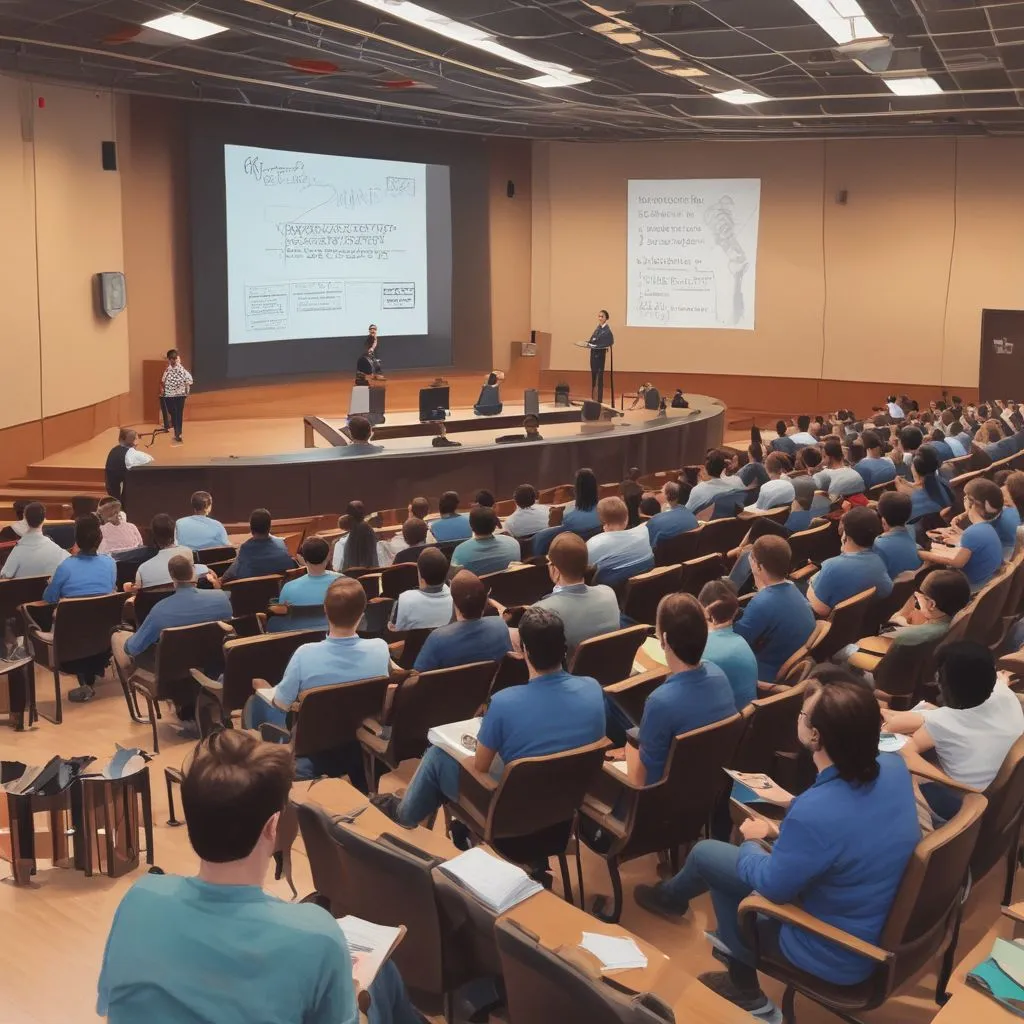
Most in-demand career directions to watch (2026)
Trends change, but these directions are consistently gaining momentum across industries:
- AI & Data: data analyst, ML engineer, AI product roles, prompt engineering (role-specific)
- Cybersecurity: SOC analyst, cloud security, governance & risk
- Healthcare & allied: mental health support roles, diagnostics, public health
- Product & UX: UX research, UI design, product management
- Business + analytics: business analyst, growth, revenue operations
- Green careers: sustainability reporting, ESG, energy efficiency
The best choice depends on your aptitude and interest mix—not just what’s trending on social media.
Want to become a career counsellor?
Career counselling is also emerging as a strong profession, especially as parents and students seek credible guidance. If you’re an educator, psychologist, HR professional, or someone passionate about mentoring, consider upskilling with a structured program.
Certification can help you learn assessment interpretation, counselling frameworks, and practical delivery.
Become a Certified Counsellor
Build credibility, learn tools, and start guiding students professionally.
Start your own counselling business (franchise option)
If you’re looking to build an education or guidance venture with a proven model, you can explore a structured Franchise pathway. This is especially useful for educators and entrepreneurs who want systems, training, and support to scale.
Start Your Counselling Business
Launch with a scalable model and expert support.
FAQs
Is career counselling only for students?
No. It’s equally useful for working professionals planning a switch, growth, or re-entry after a break.
Do assessments decide my career?
Assessments don’t “decide”—they inform. The final decision should combine your results, goals, constraints, and opportunities.
How soon should I start?
Earlier is better: stream selection (Class 9–10), course planning (Class 11–12), and specialization planning (early college) deliver the biggest long-term impact.
Get Expert Career Guidance
Stop guessing. Get a plan you can act on—starting today.

Leave a Comment
To post comment, please