How Virtual Reality is Transforming Career Education
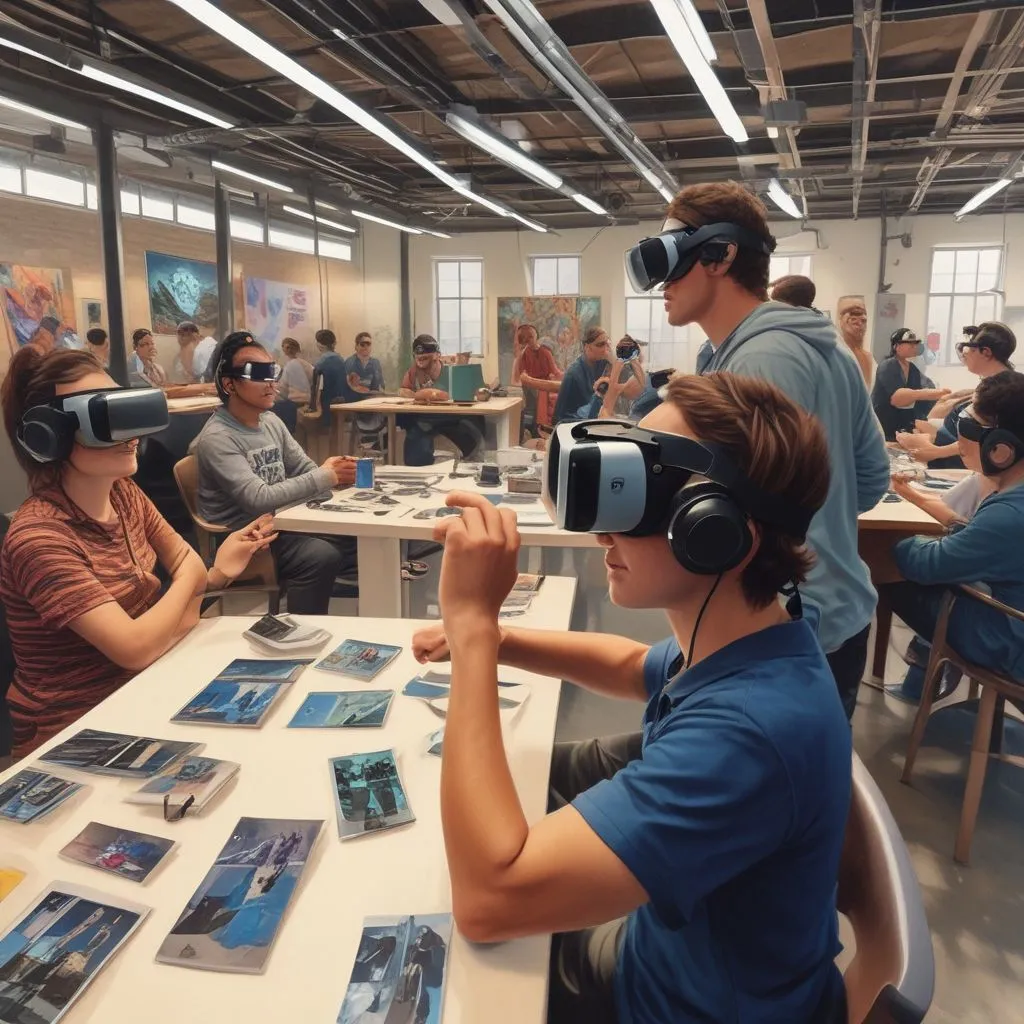
In recent years, the landscape of career education has undergone a significant transformation, largely driven by the advent of immersive technologies like Virtual Reality (VR). These innovations are reshaping how future professionals acquire skills, gain experience, and prepare for the workforce.
The Emergence of Virtual Reality in Education
Virtual Reality has moved beyond gaming and entertainment, finding its place in educational settings. By creating immersive environments, VR enables learners to engage in realistic simulations that mimic real-world challenges. This hands-on experience is particularly valuable in fields such as healthcare, engineering, and vocational training.
Enhancing Skill Development through Immersion
One of the most prominent advantages of using VR in career education is its ability to enhance skill development. Traditional teaching methods often limit students to theoretical knowledge; however, VR provides a platform for practical application. For instance, medical students can practice complex surgeries in a risk-free environment, while engineering students can conduct virtual experiments that would be costly or dangerous in reality.
Job Readiness and Real-World Experience
Employers increasingly seek candidates who possess not only theoretical knowledge but also practical experience. VR bridges this gap by offering students opportunities to engage in job-specific scenarios. Through immersive training modules, learners can develop critical thinking and problem-solving skills, making them more attractive to potential employers.
Collaboration and Communication Skills
Beyond technical skills, VR also fosters collaboration and communication among students. Many VR platforms allow multiple users to interact in the same virtual space, promoting teamwork and interpersonal skills. As future professionals often work in teams, this experience is invaluable for enhancing their ability to collaborate effectively in real-world settings.
The Future of Career Education with VR
As we look ahead, the role of Virtual Reality in career education is expected to expand. Educational institutions are increasingly incorporating VR into their curricula, recognizing its potential to engage students and improve learning outcomes. With ongoing advancements in technology, the possibilities for immersive learning are limitless.
In conclusion, Virtual Reality is revolutionizing career education by providing immersive, hands-on experiences that enhance skill development and job readiness. As this technology continues to evolve, it will undoubtedly play a crucial role in shaping the future workforce.



Leave a Comment
To post comment, please