

Collaborative Learning in Remote Education
As remote education continues to evolve in 2025, harnessing the power of collaborative learning is essential for enhancing teamwork and communication skills among students and professionals. This blog explores effective techniques that facilitate collaboration in virtual settings, ensuring learners can thrive in both academic and professional environments.
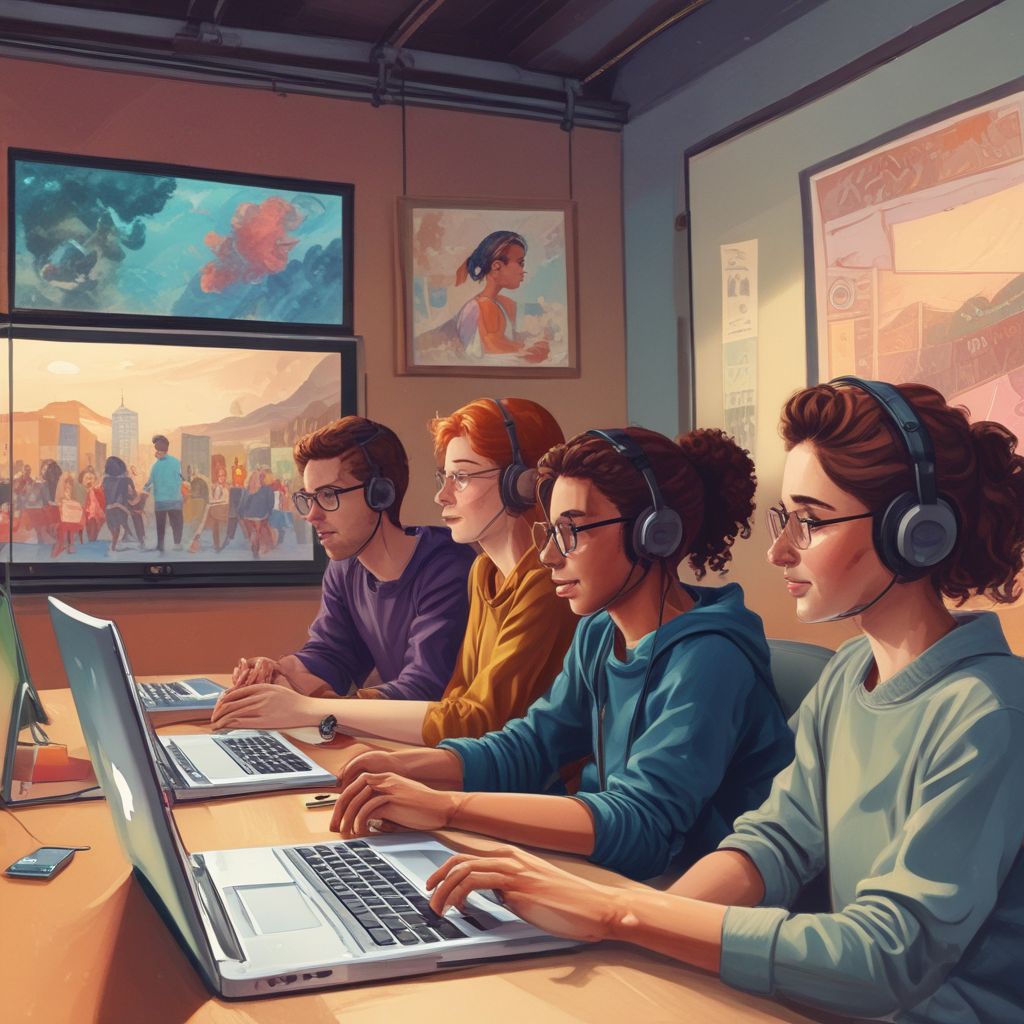
Understanding Collaborative Learning
Collaborative learning is an educational approach that involves groups of learners working together to solve problems, complete tasks, or learn new concepts. Unlike traditional learning, which often emphasizes individual achievement, collaborative learning fosters teamwork and encourages students to communicate effectively.
Benefits of Collaborative Learning in Remote Education
- Enhanced Communication Skills: Working in groups helps students articulate their thoughts and ideas clearly, improving their overall communication abilities.
- Stronger Teamwork: Collaborative learning cultivates a sense of responsibility and teamwork, preparing students for real-world professional scenarios.
- Diverse Perspectives: Engaging with peers allows students to gain insights from different backgrounds and viewpoints, enriching the learning experience.
- Increased Engagement: Collaborative tasks can make learning more interactive and enjoyable, encouraging students to participate actively.
Techniques for Implementing Collaborative Learning
Here are several effective techniques for enhancing collaboration in remote education:
1. Virtual Group Projects
Assign group projects that require students to work together online. Use tools like video conferencing, shared documents, and project management software to facilitate collaboration. Ensure that each member has a defined role to promote accountability.
2. Peer Review Sessions
Incorporate peer review activities where students provide feedback on each other's work. This not only helps improve their critical thinking but also fosters a collaborative spirit as they learn from one another.
3. Online Discussion Forums
Create discussion forums where students can pose questions, share ideas, and discuss course materials. Encourage participation by assigning grades for contributions, which can motivate students to engage more actively.
4. Gamification
Integrate gamification elements into collaborative tasks. For instance, you can create challenges that require teams to work together to achieve a common goal, making learning more dynamic and enjoyable.
5. Social Media Integration
Utilize social media platforms for group discussions and project updates. This approach can help students feel more comfortable sharing ideas in a familiar environment, bridging the gap between formal education and casual communication.
Conclusion
As we continue to navigate the landscape of remote education in 2025, the importance of collaborative learning cannot be overstated. By implementing effective techniques that promote teamwork and communication skills, educators can create a more engaging and effective learning environment. Embracing collaboration not only benefits students academically but also prepares them for the demands of the modern workforce.

Leave a Comment
To post comment, please