

Harnessing Emotional Intelligence for Self-Management
In today's fast-paced and often stressful educational and professional environments, the importance of emotional intelligence (EI) cannot be overstated. EI refers to the ability to recognize, understand, and manage our own emotions as well as the emotions of others. For students and professionals alike, cultivating emotional intelligence can lead to improved self-management, enhanced personal effectiveness, and increased resilience.
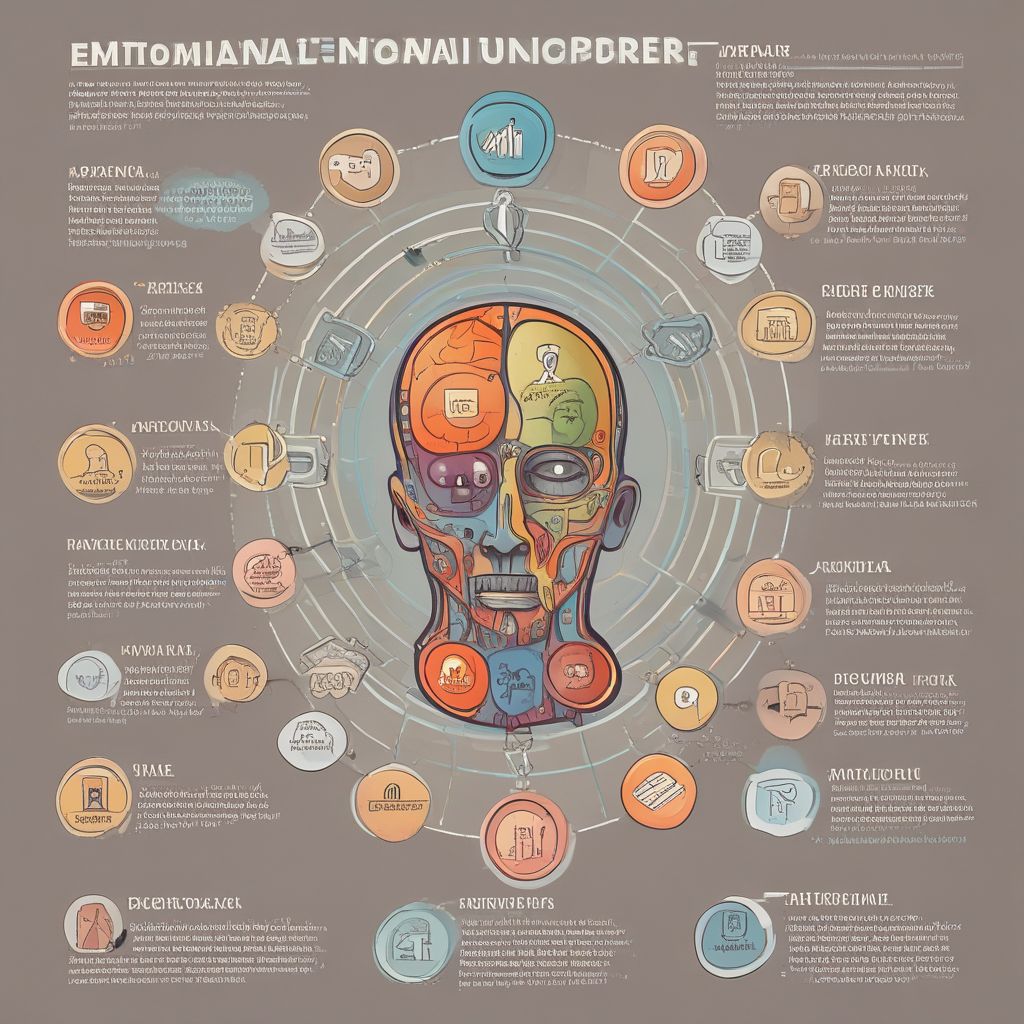
Understanding Emotional Intelligence
Emotional intelligence encompasses several key components:
- Self-awareness: Recognizing your emotions and their impact.
- Self-regulation: Managing your emotions in healthy ways.
- Motivation: Harnessing your emotions to pursue goals.
- Empathy: Understanding the emotions of others.
- Social skills: Building and maintaining healthy relationships.
Techniques to Cultivate Emotional Intelligence
Here are some practical techniques that students and professionals can use to enhance their emotional intelligence:
1. Practice Mindfulness
Mindfulness involves being fully present in the moment. By practicing mindfulness, individuals can become more aware of their emotions and reactions, allowing for better self-regulation. Techniques such as meditation, deep breathing exercises, and journaling can help in developing mindfulness.
2. Seek Feedback
Constructive feedback from peers, mentors, or supervisors can provide insights into how others perceive your emotional responses. This feedback can be invaluable for self-awareness and personal growth.
3. Develop Empathy
Empathy is crucial for effective communication and relationship-building. Students and professionals can enhance their empathetic skills by actively listening to others, engaging in conversations, and trying to understand different perspectives.
4. Set Personal Goals
Setting specific, measurable, achievable, relevant, and time-bound (SMART) goals helps in maintaining motivation and focus. Emotional intelligence plays a role in understanding what truly drives you, enabling you to set goals that resonate with your values.
5. Manage Stress Effectively
Learning to manage stress is vital for resilience. Techniques such as physical exercise, healthy eating, and sufficient sleep can significantly affect emotional well-being, ultimately improving self-management.
Building Resilience Through Emotional Intelligence
Resilience is the ability to bounce back from challenges. By harnessing emotional intelligence, individuals can build resilience in the following ways:
- Adaptability: Embracing change and remaining flexible in the face of adversity.
- Problem-solving: Using emotional insights to navigate challenges more effectively.
- Positive Relationships: Building a supportive network that fosters emotional growth.
Conclusion
Harnessing the power of emotional intelligence is a journey that can lead to significant improvements in self-management, personal effectiveness, and resilience. By adopting the techniques outlined above, both students and professionals can cultivate emotional intelligence, ultimately enhancing their educational and career journeys. As we continue to navigate the complexities of life, let us remember that emotional intelligence is not just an asset but a necessity for success.

Leave a Comment
To post comment, please