

Harnessing Transdisciplinary Learning for Career Success
In today's rapidly evolving job market, the traditional boundaries of education are increasingly blurred. The challenges that students face are complex and multifaceted, requiring innovative solutions that draw from various fields of study. This is where transdisciplinary learning comes into play, offering an integrated approach that prepares students for success in their future careers.
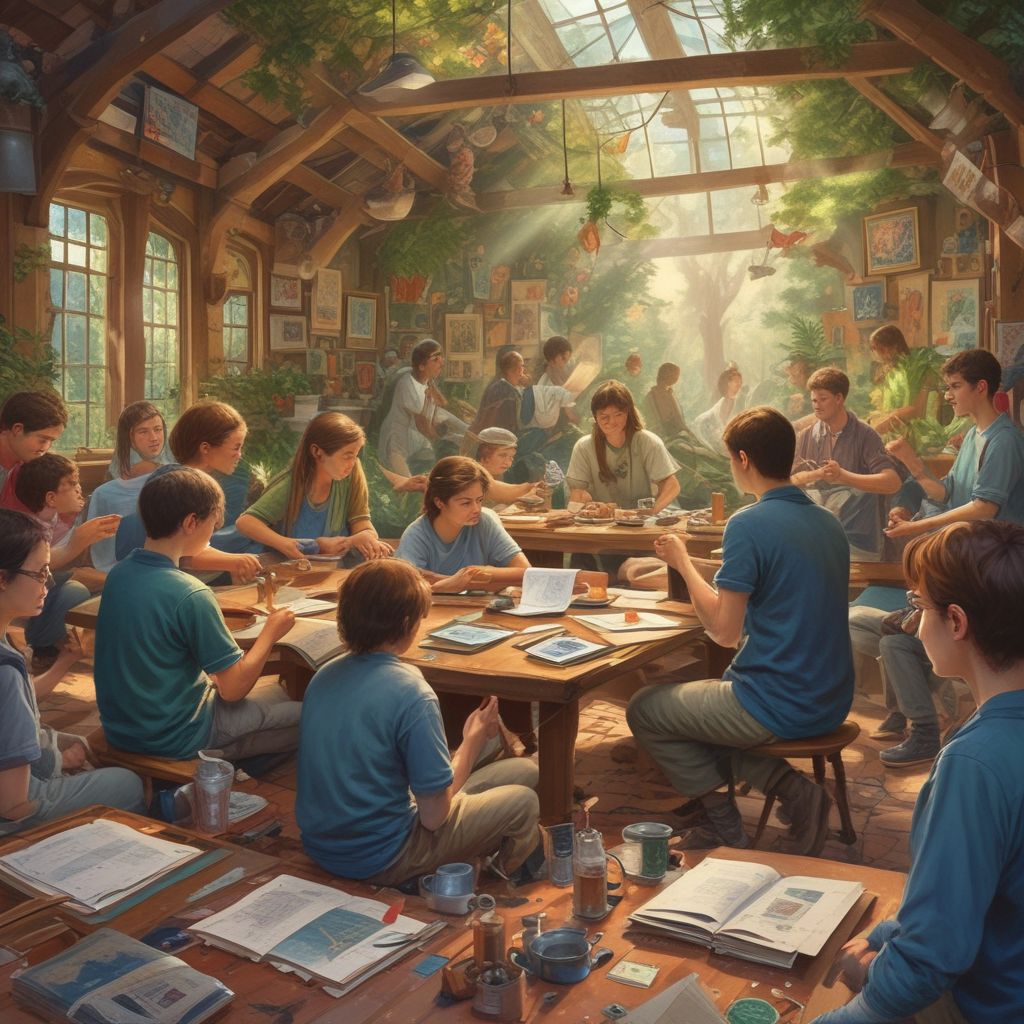
Transdisciplinary learning transcends the confines of individual disciplines, encouraging collaboration and the blending of knowledge from diverse fields. By fostering an environment where students can work together on real-world problems, educational institutions can equip them with the skills needed to navigate an unpredictable job landscape.
Benefits of Transdisciplinary Learning
1. Enhanced Problem-Solving Skills: By engaging with multiple disciplines, students gain a broader perspective on issues. This holistic understanding allows them to develop more effective solutions, fostering critical thinking and creativity.
2. Collaboration and Communication: Working in diverse teams helps students improve their collaboration and communication skills. They learn to respect different viewpoints and leverage collective strengths, which are essential in any workplace.
3. Real-World Application: Transdisciplinary projects often focus on real-world challenges, making learning relevant and engaging. Students can see the impact of their work, which motivates them to pursue their goals actively.
Implementing Transdisciplinary Learning
To harness the power of transdisciplinary learning, educational institutions can adopt several strategies:
- Curriculum Integration: Create courses that incorporate multiple subjects, allowing students to see the connections between them.
- Project-Based Learning: Encourage students to work on projects that require input from various disciplines, fostering teamwork and innovative thinking.
- Community Partnerships: Collaborate with local businesses and organizations to provide students with real-world problems to solve, enhancing their learning experience.
Preparing for Future Challenges
As we move further into the 21st century, the job market will continue to evolve, demanding adaptable and skilled professionals. By embracing transdisciplinary learning, we can prepare students not just for their first job, but for a lifetime of career growth and adaptation.
Ultimately, integrating diverse fields of study equips students with the knowledge, skills, and mindset necessary to tackle the complex challenges of tomorrow. As educators, parents, and policymakers, we must champion transdisciplinary approaches in education to ensure that our future workforce is ready to thrive in an ever-changing world.

Leave a Comment
To post comment, please