

Harnessing Virtual Reality in Career Education
In today's fast-paced and ever-evolving job market, the need for innovative educational methods has never been more critical. One of the most groundbreaking advancements in this realm is the integration of Virtual Reality (VR) into career education. This technology is not just a trend; it’s a transformative tool that enhances skill development and prepares students for job readiness in emerging fields.
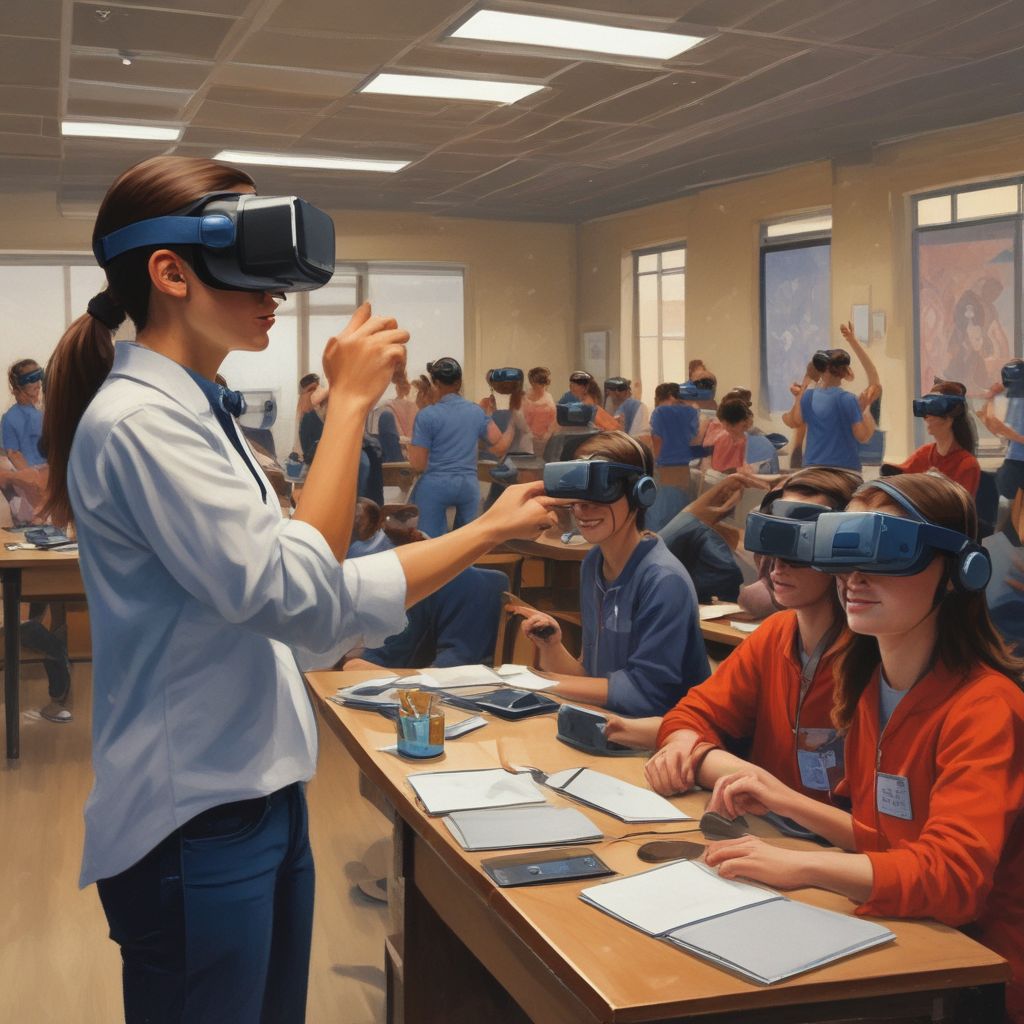
What is Virtual Reality in Career Education?
Virtual Reality is an immersive technology that creates a simulated environment, allowing users to interact within a three-dimensional space. In career education, VR provides students with realistic scenarios that they may encounter in their future workplaces. From healthcare simulations to engineering design projects, VR enables hands-on experience that traditional methods cannot match.
Benefits of VR in Skill Development
- Hands-On Experience: Students can practice skills in a safe environment, making mistakes without real-world consequences.
- Engagement: The immersive nature of VR keeps students engaged, promoting better retention of information.
- Real-World Scenarios: VR can simulate complex situations that require critical thinking and problem-solving skills.
- Personalized Learning: VR can adapt to individual learning speeds, allowing for personalized skill development.
Preparing for Job Readiness
Job readiness is a crucial aspect of career education, and VR plays an essential role in this preparation. By simulating workplace environments, students gain insight into the dynamics of their future careers. For instance, a virtual healthcare setting allows nursing students to practice patient interaction, while engineering students can work on virtual construction sites to understand project management.
Emerging Fields and VR Integration
As industries evolve, new fields emerge that require specific skills. Here are a few areas where VR is making a significant impact:
- Healthcare: VR is used for surgical training and patient simulations, enhancing the learning experience for medical professionals.
- Technology: Software developers and IT professionals can use VR to visualize complex systems and troubleshoot issues in a virtual environment.
- Manufacturing: VR training programs help workers understand machinery operation and safety protocols, reducing workplace accidents.
- Creative Arts: Artists and designers can explore their creative processes in a virtual space, experimenting with new techniques and ideas.
Challenges and Future Directions
While the benefits of VR in career education are clear, there are challenges to consider, such as the accessibility of technology and the need for trained instructors who can effectively integrate VR into their curricula. However, as the technology becomes more affordable and user-friendly, its adoption in educational institutions is expected to grow significantly.
In conclusion, harnessing the power of virtual reality in career education is not only a step towards innovative learning but also a leap towards preparing students for the demands of the modern workforce. By providing transformative experiences that enhance skill development and job readiness, VR is poised to play a pivotal role in shaping the future of education in emerging fields.

Leave a Comment
To post comment, please