Boosting Productivity with Emotional Intelligence
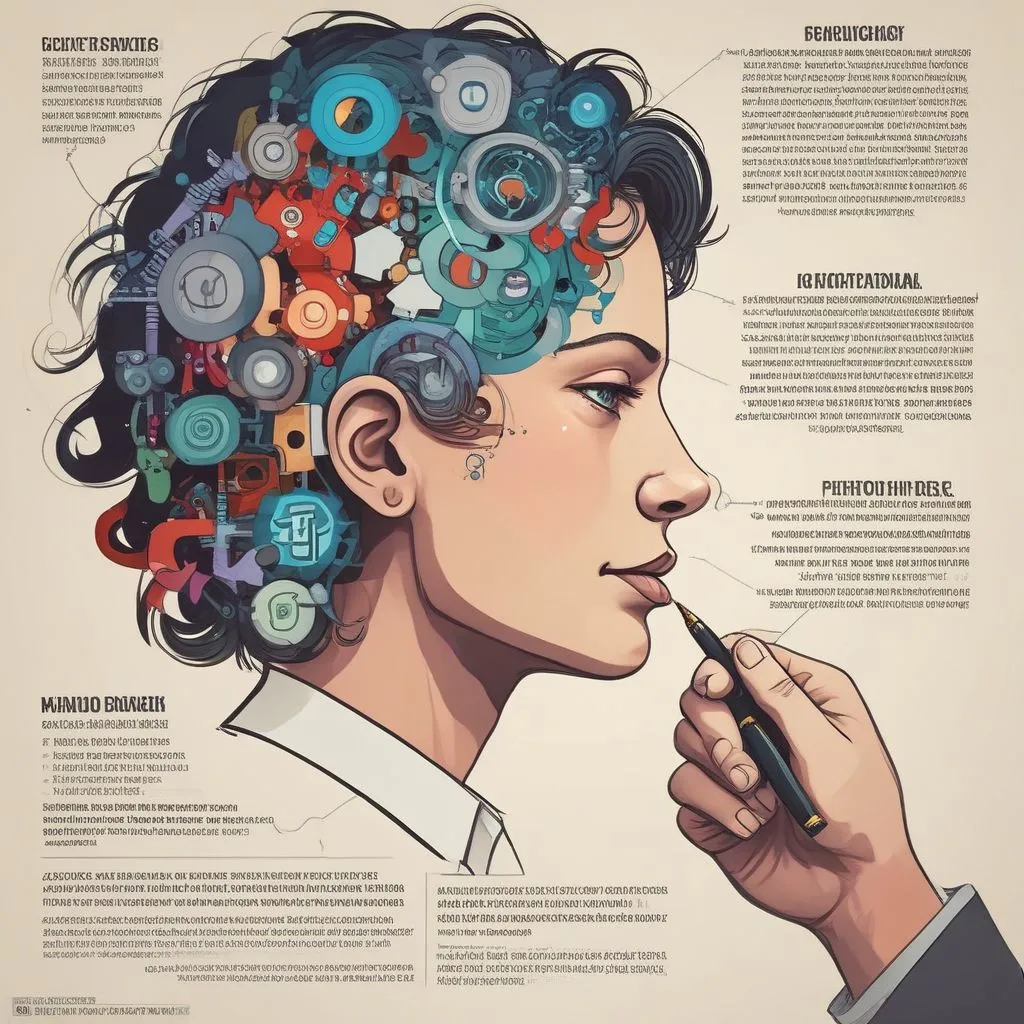
In today’s fast-paced world, both students and professionals face numerous challenges that require not only technical skills but also emotional intelligence (EI) for effective self-management. Emotional intelligence encompasses the ability to recognize, understand, and manage our own emotions while also being aware of and influencing the emotions of others. By leveraging emotional intelligence, individuals can enhance personal productivity and career growth. Here are some techniques to develop emotional awareness and regulation.
1. Self-Awareness: Know Thyself
The first step in leveraging emotional intelligence is self-awareness. This involves recognizing your own emotional triggers and understanding how your feelings influence your thoughts and behavior. Keeping a journal can be an effective method to reflect on daily experiences, emotions, and responses.
2. Mindfulness Practices
Incorporating mindfulness practices, such as meditation or deep-breathing exercises, can help manage stress and increase focus. Mindfulness encourages individuals to stay present, which can lead to better emotional regulation and improved decision-making.
3. Emotional Regulation Techniques
Learning to regulate emotions is crucial for both students and professionals. Techniques such as cognitive restructuring, where you challenge negative thoughts, can promote a more positive outlook. Additionally, practicing gratitude can shift focus from stressors to positive aspects of life.
4. Empathy Development
Empathy is a key component of emotional intelligence. It involves understanding others' feelings and perspectives, which can enhance communication and collaboration. Engage in active listening during conversations, and try to put yourself in others’ shoes to foster better relationships.
5. Setting Personal Goals
Goal setting is essential for personal productivity. Use your understanding of your emotions to set realistic and achievable goals. Break down larger tasks into smaller, manageable steps and celebrate your accomplishments to maintain motivation.
6. Seeking Feedback
Feedback is a valuable tool for self-growth. Whether through formal evaluations or informal conversations, seek constructive criticism to understand how others perceive your emotional responses. This insight can help you adjust behaviors and improve interactions.
7. Continuous Learning
Investing in emotional intelligence is an ongoing process. Engage with resources such as books, workshops, and online courses to enhance your understanding of emotional intelligence. The more you learn, the better equipped you will be to manage your emotions effectively.
Conclusion
By implementing these techniques, students and professionals can leverage emotional intelligence to improve self-management, enhance personal productivity, and foster career growth. Emotional awareness and regulation are not just beneficial skills; they are essential in navigating today’s complex emotional landscapes.



Leave a Comment
To post comment, please