

Navigating Career Development with Emotional Intelligence
As we progress through 2025, the landscape of career development is witnessing a significant transformation. The rapid changes in technology, globalization, and workplace dynamics are reshaping the skills required for professional success. Among these, emotional intelligence (EI) is emerging as a pivotal component that professionals need to cultivate to thrive in their careers.
Emotional intelligence refers to the ability to recognize, understand, and manage our own emotions while also being attuned to the emotions of others. This skill set is becoming increasingly essential as workplaces evolve into more collaborative and interconnected environments.
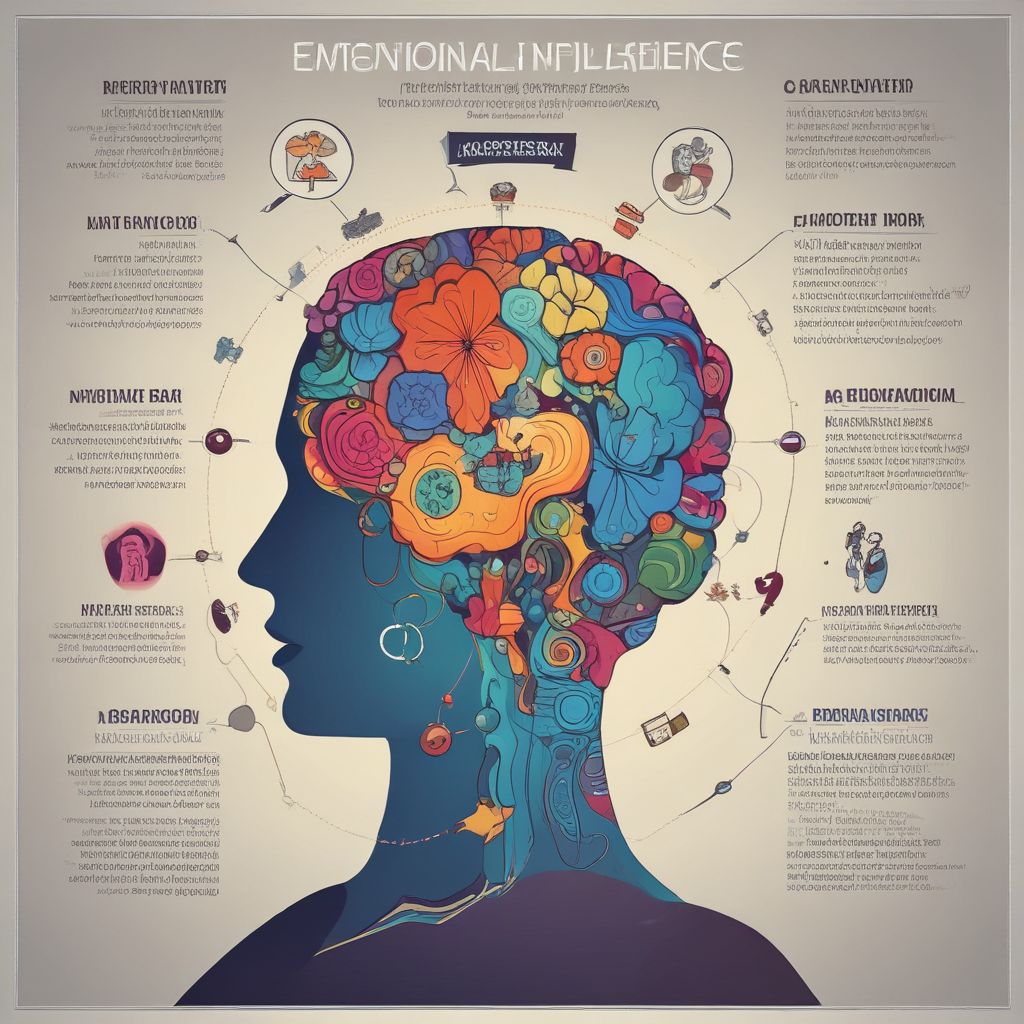
Why Emotional Intelligence Matters in 2025
In an ever-changing job market, emotional intelligence is not just a "nice-to-have" but a "must-have." Here are a few reasons why:
- Enhanced Collaboration: In a workforce that often operates remotely or in hybrid models, strong EI skills foster better teamwork and communication. Professionals who can empathize with colleagues and navigate social complexities are more likely to succeed.
- Leadership Development: As organizations prioritize leadership that inspires and motivates, emotional intelligence becomes a key trait for effective leaders. EI training helps develop leaders who can connect with their teams on a deeper level.
- Improved Conflict Resolution: The ability to manage and resolve conflicts is crucial in diverse workplaces. EI training equips individuals with the skills to handle disagreements constructively.
- Increased Adaptability: The job market is evolving rapidly, and professionals must adapt to changes. Those with high emotional intelligence are generally more resilient and better equipped to handle uncertainty.
Implementing Emotional Intelligence Training
Organizations that recognize the importance of emotional intelligence are increasingly incorporating EI training into their professional development programs. Here are some strategies for effective implementation:
- Workshops and Seminars: Conduct interactive sessions that allow employees to practice their EI skills in real-world scenarios.
- Coaching and Mentorship: Pairing employees with mentors who have strong emotional intelligence can facilitate personal growth and development.
- Assessment Tools: Utilize EI assessment tools to help individuals identify their strengths and areas for improvement.
- Continuous Learning: Encourage a culture of ongoing learning where employees can refine their EI skills regularly.
The Future of Work
As we look ahead, the integration of emotional intelligence training into career development will likely become more pronounced. Organizations that prioritize EI will not only enhance employee satisfaction and retention but also drive better business outcomes. In a world where machines are taking on more tasks, the human ability to connect, empathize, and understand will be invaluable.
In conclusion, navigating the future of career development in 2025 requires a proactive approach to emotional intelligence training. By embracing this essential skill, professionals can position themselves for success in an evolving job market, ensuring they remain relevant and competitive.

Leave a Comment
To post comment, please