Study Abroad, Technology, Digital Tools, Cultural Exchange, Learning Experiences
Explore how digital tools improve cultural exchange and learning during study abroad programs, enhancing students' global experiences.
Navigating Study Abroad Through Technology
In today's interconnected world, the study abroad experience has transformed significantly, largely due to advancements in technology. Students embarking on international academic journeys are not only embracing new cultures but also utilizing digital tools that enhance their learning and cultural exchange. This blog explores how technology is reshaping the study abroad experience in 2025.

The Role of Digital Tools in Study Abroad
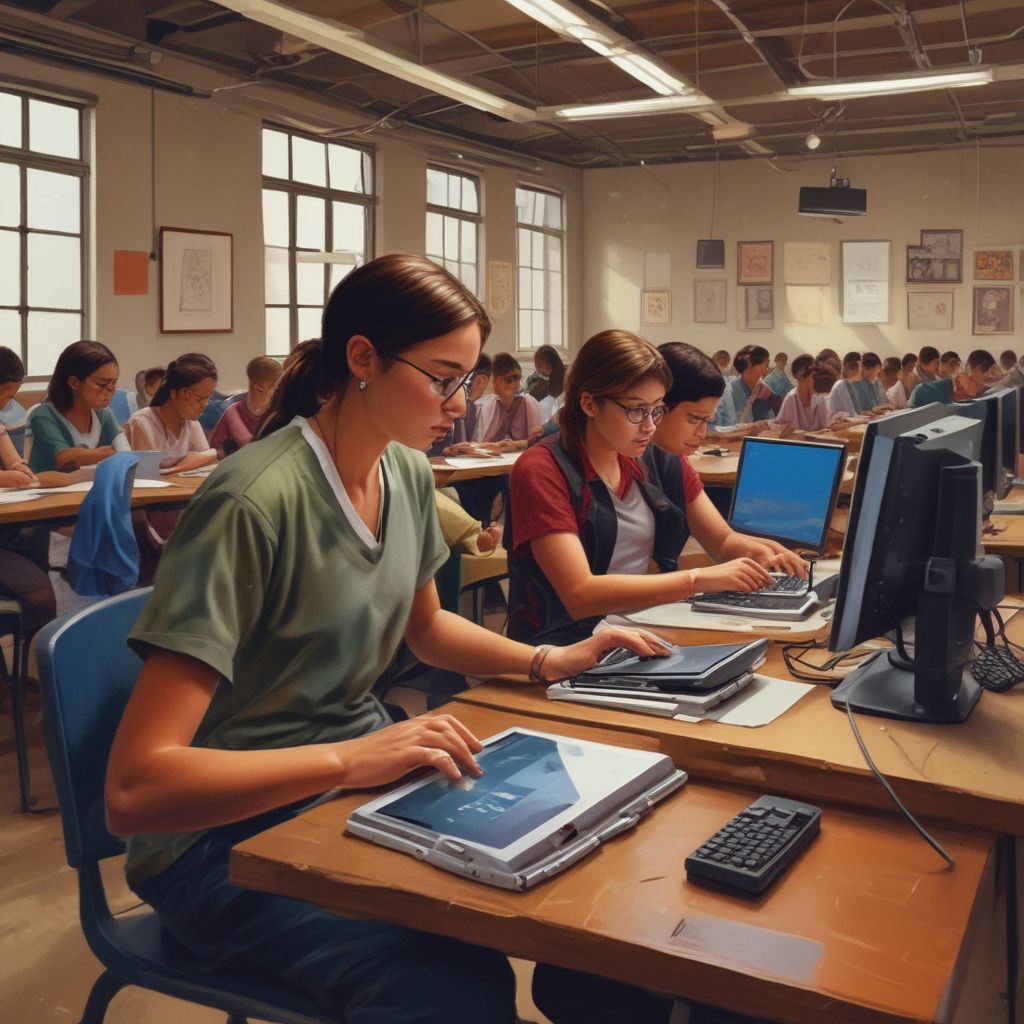
Technology has become an essential part of the study abroad experience, enabling students to connect with peers, professors, and local communities in ways that were previously unimaginable. Here are some key digital tools that are enhancing the study abroad experience:
- Language Learning Apps: Applications like Duolingo and Babbel allow students to learn the local language before and during their stay, making communication easier and enriching their cultural immersion.
- Virtual Reality (VR): VR technology provides students with immersive experiences of their host country, allowing them to explore cultural landmarks and local traditions from the comfort of their homes before arriving.
- Social Media Platforms: Platforms such as Instagram and Facebook enable students to document their journey, share experiences, and connect with fellow travelers and locals, fostering a sense of community.
Enhancing Cultural Exchange
Cultural exchange is a critical component of studying abroad, and technology plays a pivotal role in facilitating this exchange. Through various digital platforms, students can engage with local cultures more profoundly:
- Online Workshops: Many universities offer virtual workshops that connect students with local artisans, chefs, and experts, providing a unique insight into the host country's culture.
- Collaborative Projects: Technology allows for collaborative projects between students from different countries, fostering teamwork and cultural understanding through shared goals.
- Webinars and Virtual Tours: Students can participate in webinars that discuss cultural issues, history, and social dynamics, alongside virtual tours of museums and historical sites, enhancing their educational experience.
Overcoming Challenges with Technology
While studying abroad can be an enriching experience, it also comes with challenges such as homesickness, cultural shock, and logistical issues. Technology can help mitigate these challenges:
- Communication Tools: Apps like WhatsApp and Zoom allow students to stay connected with family and friends back home, providing emotional support during their journey.
- Online Support Groups: Many universities offer online forums and support groups where international students can share their experiences and seek advice, creating a sense of belonging.
- Travel Apps: Applications that provide real-time information about public transport, local attractions, and safety tips can ease the adaptation process for students in a new environment.
The Future of Study Abroad and Technology
As technology continues to evolve, the study abroad experience will likely become even more integrated with digital solutions. Innovations such as AI-driven language translation tools and enhanced virtual reality experiences will further bridge the gap between cultures, making global education more accessible than ever.
In conclusion, navigating the intersection of study abroad and technology is essential for enhancing cultural exchange and learning experiences. By leveraging digital tools, students can embrace their international journeys with confidence and curiosity, paving the way for a more connected and culturally aware generation.



Leave a Comment
To post comment, please