Navigating Alternative Credentialing in Today's Job Market
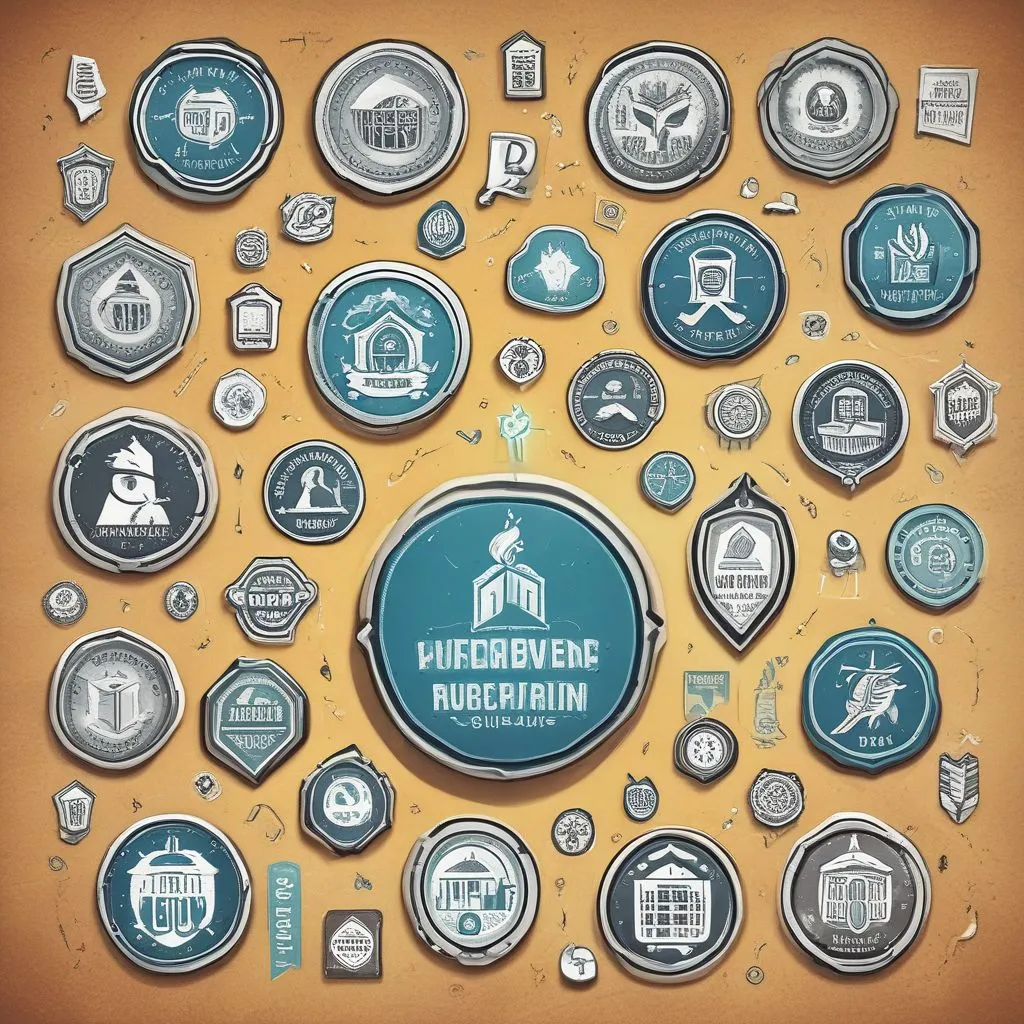
In the ever-evolving landscape of education and employment, traditional degrees are no longer the sole pathway to career success. Professionals and students alike are increasingly turning to alternative credentialing methods, such as micro-credentials and digital badges, to enhance their skills and improve their employability.
Micro-credentials are short, focused courses that allow individuals to learn specific skills relevant to their career fields. They are designed to be flexible and accessible, enabling learners to acquire knowledge without committing to a full degree program. Digital badges, on the other hand, serve as a visual representation of achievements and skills acquired through these micro-credentials. They can be shared on online profiles, resumes, and social media platforms, offering a modern way for individuals to showcase their competencies to potential employers.
The rise of alternative credentialing is driven by several factors. Firstly, the competitive job market demands that candidates possess not only academic qualifications but also practical skills that can be immediately applied in the workplace. As industries evolve, so too do the skills required to thrive within them. Employers are increasingly valuing skills over formal education, leading to a greater acceptance of micro-credentials and digital badges as valid indicators of a candidate's capabilities.
Moreover, alternative credentials are particularly beneficial for individuals looking to switch careers or upskill in their current roles. For instance, a professional in marketing may want to transition into data analysis. By completing a micro-credential in data analytics and earning a digital badge, they can demonstrate their new skills to prospective employers, facilitating a smoother career transition.
Educational institutions and training organizations are also recognizing the importance of micro-credentials. Many are incorporating them into their curricula to provide students with additional qualifications that enhance their employability. This trend not only benefits students but also helps institutions stay relevant in a rapidly changing educational landscape.
In addition to their flexibility and relevance, micro-credentials and digital badges offer a personalized learning experience. Learners can choose specific topics that align with their career goals and interests, making education more tailored and engaging. This learner-centric approach is key to fostering a lifelong learning mindset, which is essential in today’s fast-paced work environment.
As we look to the future, the integration of alternative credentialing into the workforce is expected to grow. Employers will likely continue to embrace these forms of recognition, understanding that they can provide valuable insights into a candidate's abilities beyond traditional measures. Furthermore, with advancements in technology, the issuance and verification of micro-credentials and digital badges are becoming increasingly streamlined, making them more accessible than ever.
In conclusion, navigating the landscape of alternative credentialing through micro-credentials and digital badges is not just a trend; it's a revolution in how we approach education and career development. As the job market becomes more competitive, embracing these innovative pathways can lead to significant career advancements and opportunities.



Leave a Comment
To post comment, please