

The Future of Career Education: Enhancing Learning with AR
As we navigate through 2025, the landscape of career education is evolving rapidly. One of the most exciting advancements is the integration of Augmented Reality (AR) into learning environments. This innovative technology not only captivates learners but also bridges the gap between theory and practice, preparing students for the demands of a modern workforce.
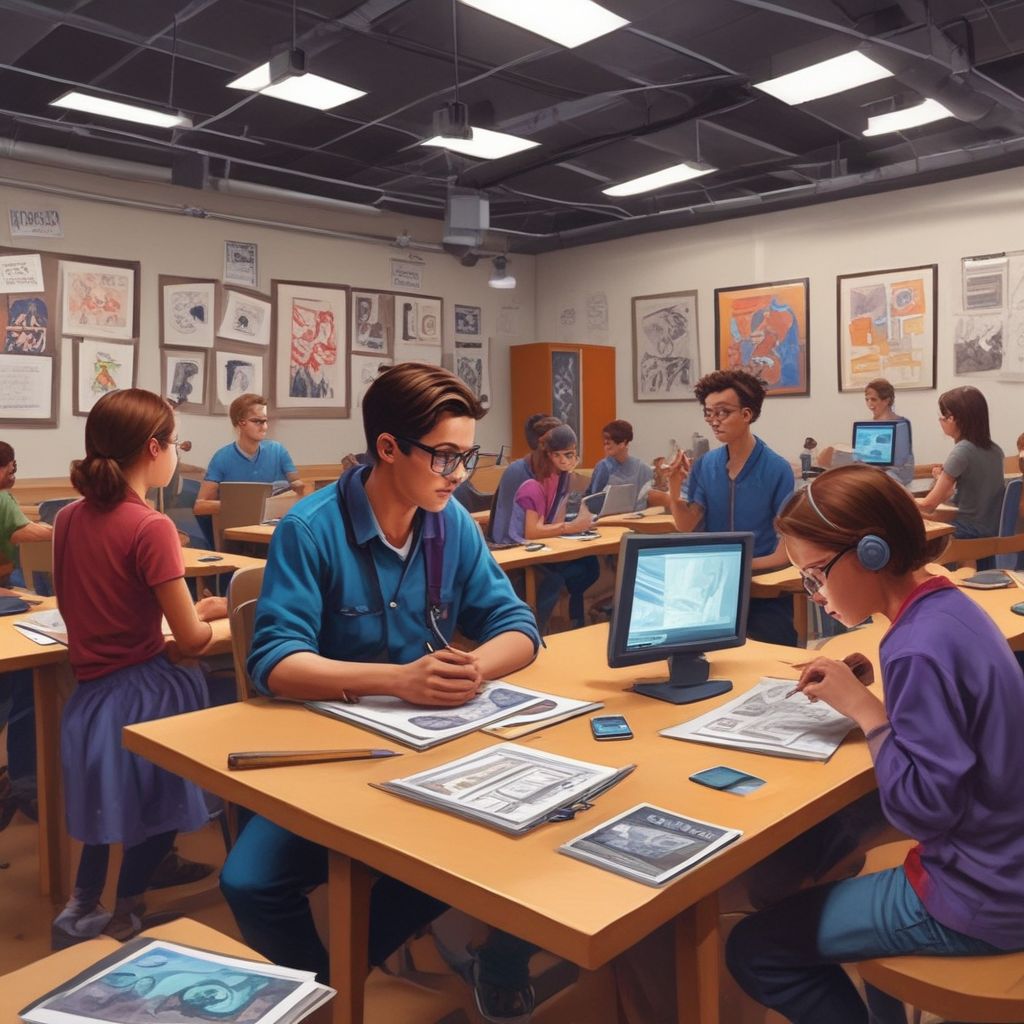
The Role of Augmented Reality in Education
Augmented Reality overlays digital information onto the real world, creating an interactive experience that can enhance learning. By incorporating AR into career education, institutions can offer immersive experiences that engage students in ways traditional methods cannot.
Enhancing Engagement
Engagement is crucial for effective learning. AR transforms mundane lessons into dynamic experiences. For example, students can visualize complex data through 3D models or interact with simulations that replicate real-world scenarios. This hands-on approach increases motivation and retention, making learning more impactful.
Skill Development for Tomorrow's Workforce
As industries evolve, so must the skills taught in educational settings. AR allows for the simulation of real-world tasks, enabling students to practice problem-solving and critical thinking in a safe environment. From virtual medical surgeries to architectural design, AR provides a risk-free platform for students to hone their skills.
Preparing for Industry Needs
Collaboration between educational institutions and industry leaders is essential for aligning curricula with workforce needs. By embracing AR technology, educators can create programs that reflect current trends and future demands. This alignment ensures that graduates are not only knowledgeable but also equipped with the practical skills employers seek.
Challenges and Considerations
While the benefits of AR in education are substantial, challenges remain. Accessibility to technology, training for educators, and curriculum development are critical factors that need addressing. However, with the right investment and commitment, these challenges can be overcome, paving the way for a new era in career education.
The Future is Bright
As we look ahead, the integration of Augmented Reality into career education promises to create a more engaged, skilled, and prepared workforce. By harnessing the power of AR, educators can inspire students to explore, learn, and excel in their chosen fields, ultimately shaping the future of work.
In conclusion, the future of career education lies in embracing innovative technologies like AR. As we continue to explore its potential, we can ensure that the workforce of tomorrow is not just ready for the challenges ahead but is also inspired to drive change in their respective industries.

Leave a Comment
To post comment, please