

The Future of Career Education: Embracing Green Jobs
As we look ahead to the future of career education, it is essential to recognize the significant role that environmental sustainability plays in shaping the workforce. In a world increasingly concerned about climate change and ecological impact, integrating sustainability into educational curricula is not just beneficial; it is imperative for preparing students for the green jobs of tomorrow.
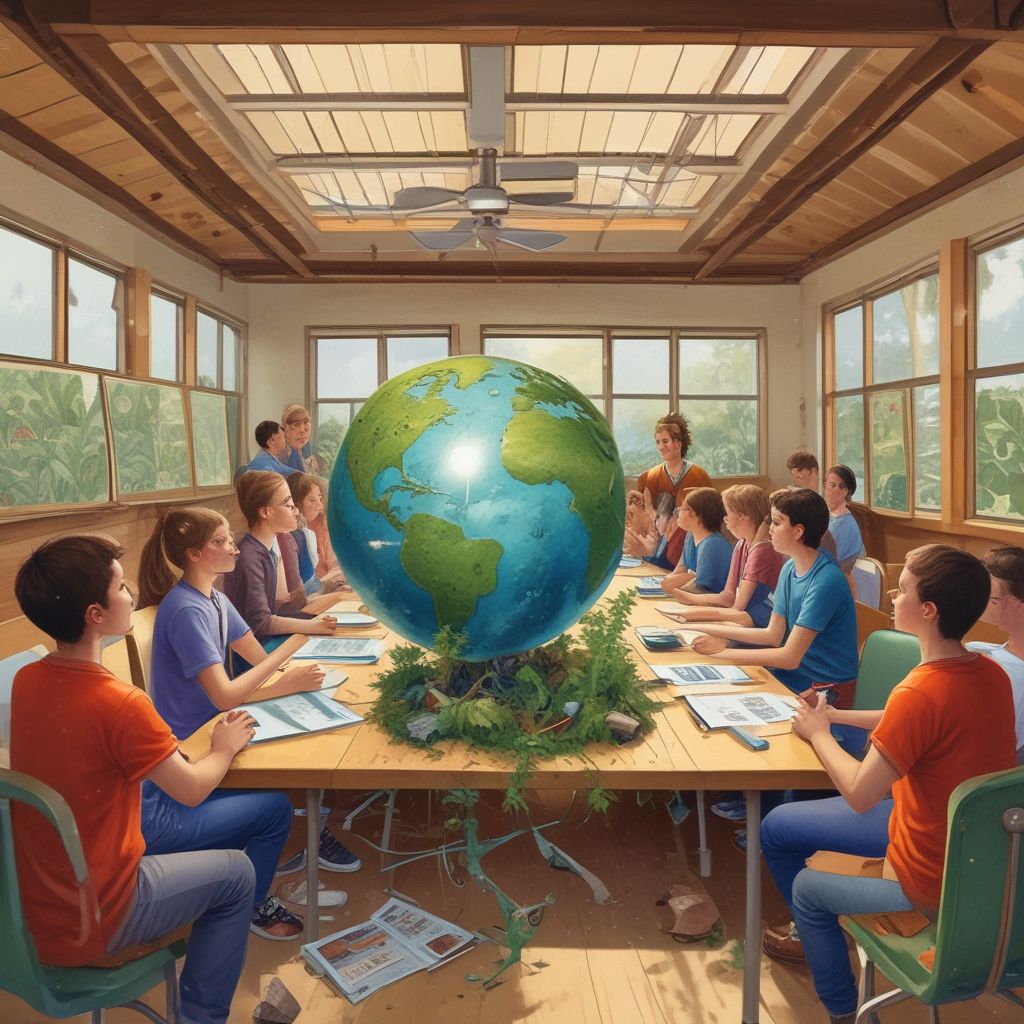
The global economy is shifting towards sustainable practices, and industries are rapidly evolving to meet the demands of a greener future. From renewable energy to sustainable agriculture, the job market is expanding in areas that prioritize ecological responsibility. As a result, educational institutions must adapt their programs to equip students with the necessary skills and knowledge to thrive in these emerging fields.
Integrating Sustainability into Curriculum
Integrating environmental sustainability into the curriculum can take various forms. Here are a few effective strategies:
- Project-Based Learning: Implement projects that focus on real-world environmental challenges, allowing students to develop practical solutions.
- Interdisciplinary Approach: Combine subjects like science, technology, and social studies to provide a comprehensive understanding of sustainability.
- Partnerships with Local Organizations: Collaborate with businesses and NGOs focused on sustainability to offer students hands-on experience.
- Awareness and Advocacy: Encourage students to participate in sustainability initiatives and advocate for eco-friendly practices in their communities.
Developing Essential Skills
By incorporating sustainability into career education, students can develop a range of essential skills:
- Critical Thinking: Analyzing complex environmental issues and developing innovative solutions fosters critical thinking.
- Collaboration: Working in teams on sustainability projects enhances teamwork and communication skills.
- Adaptability: Learning to navigate the rapidly changing landscape of green jobs prepares students for diverse career paths.
Preparing for Green Jobs
The demand for green jobs is set to increase in the coming years, with various sectors looking for skilled professionals. Here are some promising career paths:
- Renewable Energy Technician: Specialists in solar, wind, and other renewable technologies.
- Sustainable Agriculture Expert: Professionals focusing on eco-friendly farming practices.
- Environmental Consultant: Advisers to businesses on how to reduce their ecological footprint.
- Green Construction Manager: Leaders in sustainable building practices and materials.
Conclusion
The future of career education lies in its ability to adapt to the evolving needs of society, particularly regarding environmental sustainability. By embracing this shift and integrating sustainable practices into curricula, we can prepare students not only for successful careers but also for the responsibility of being stewards of our planet. As we move forward, let us commit to fostering a generation of environmentally conscious professionals ready to tackle the challenges of a changing economy.

Leave a Comment
To post comment, please