

The Future of Work-Integrated Learning
As we navigate through 2025, the landscape of education and employment continues to evolve, particularly in the realm of work-integrated learning (WIL). This innovative approach combines academic study with practical work experience, preparing students for the demands of the modern workforce. With the lasting impacts of the pandemic reshaping business models and job markets, the integration of experiential education has never been more critical.
Understanding Work-Integrated Learning
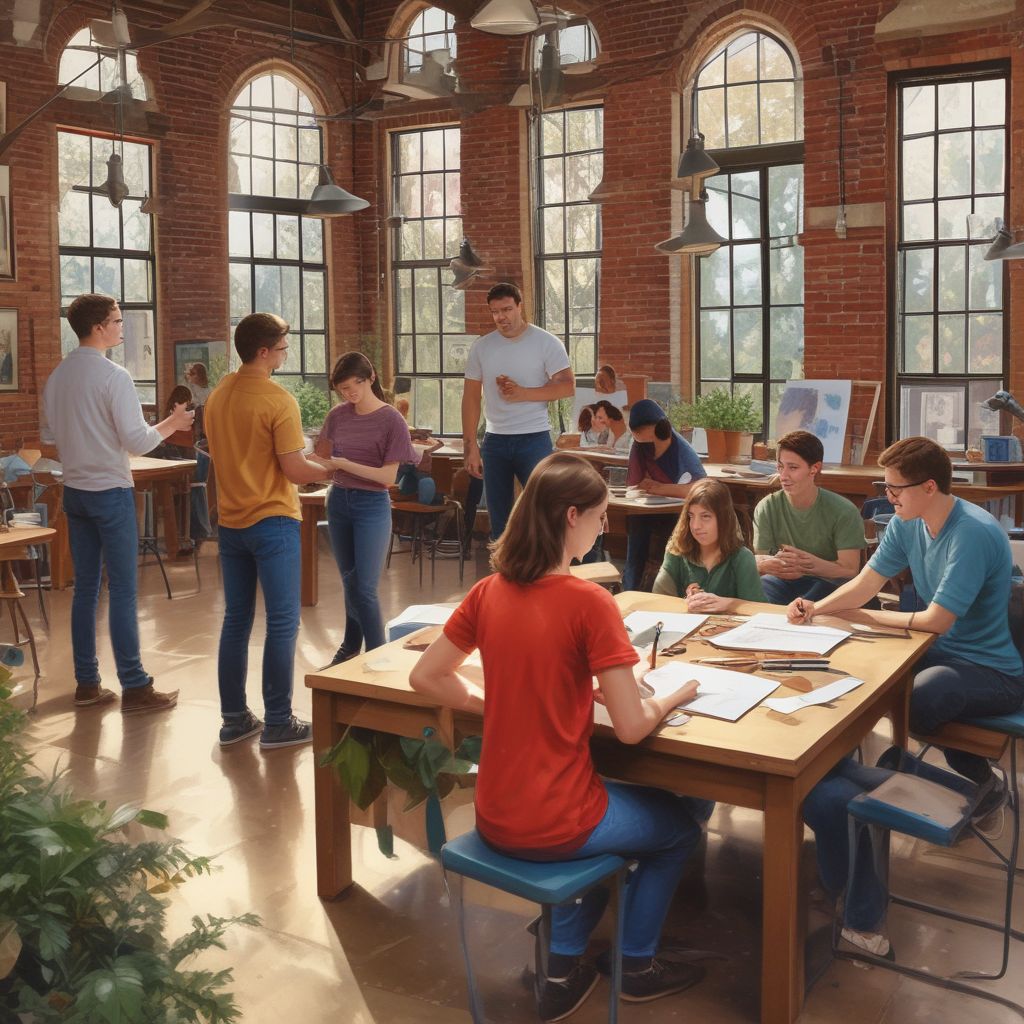
Work-integrated learning refers to educational programs that blend academic learning with real-world work experiences. These programs may include internships, co-op placements, and project-based learning, allowing students to apply theoretical knowledge in practical settings. This hands-on approach not only enhances the learning experience but also equips students with essential skills that employers seek.
The Impact of the Pandemic on Career Readiness
The COVID-19 pandemic has significantly altered the job market, leading to increased competition and a greater emphasis on adaptability and resilience among job seekers. As a result, traditional educational paradigms are being challenged, and institutions are now prioritizing experiential education to foster career readiness. Research indicates that students who participate in WIL programs are more likely to secure employment after graduation, as they have developed a diverse skill set and industry connections.
Shaping Job Opportunities in a Post-Pandemic Economy
In the current economic climate, employers are increasingly looking for candidates who can hit the ground running. WIL programs provide students with the opportunity to gain industry-specific experience, making them more attractive to potential employers. Moreover, these programs often lead to job offers directly from companies where students intern or work, bridging the gap between education and employment.
The Role of Technology in Enhancing WIL
Advancements in technology have revolutionized the way work-integrated learning is delivered. Online platforms and virtual internships have become commonplace, allowing students to gain experience from anywhere in the world. This flexibility not only expands access to WIL opportunities but also enables students to develop digital skills that are essential in today’s workforce.
Conclusion: The Future is Bright for WIL
As we look ahead, the future of work-integrated learning appears promising. Educational institutions, businesses, and policymakers must continue to collaborate to create robust WIL programs that meet the needs of both students and employers. By prioritizing experiential education, we can ensure that graduates are well-equipped to thrive in the evolving job market, ultimately shaping a more resilient and adaptable workforce in this post-pandemic economy.
In conclusion, work-integrated learning is not just a trend; it is a vital component of modern education that enhances career readiness and opens up job opportunities. As we embrace this shift, the potential for innovation and growth in our workforce is limitless.

Leave a Comment
To post comment, please