

Why "Find Your Passion" Isn't Always the Right Career Advice
"Just follow your passion."
It's probably one of the most common pieces of career advice students hear from teachers, relatives, social media influencers, and even motivational speakers.
While it sounds inspiring, it often leaves students with even more confusion. What if you don't know what your passion is? What if you enjoy several different things? Or what if your passion doesn't easily translate into a career?
The truth is that finding the right career is usually more complex than simply following a passion. It requires self-awareness, skill development, exploration, and informed decision-making.
Why This Advice Can Be Confusing
Many students believe they need to discover one perfect passion before choosing a career.
This creates unnecessary pressure.
Some students spend years waiting for a magical moment of clarity, while others worry that they've already chosen the wrong path because they aren't "passionate" enough.
The reality is that very few people have complete career clarity at the age of 17 or 18.
And that's perfectly normal.
Passion Often Develops Over Time
Many successful professionals didn't start their careers because they were passionate from day one.
Instead, they became passionate as they gained experience, improved their skills, and started seeing the impact of their work.
Passion often grows when you:
- Learn something new.
- Become good at a skill.
- Solve meaningful problems.
- Help other people.
- Feel confident in your abilities.
In many cases, passion is the result of growth—not the starting point.
Skills Create Opportunities
Imagine two students.
One waits to "find their passion."
The other starts learning useful skills, explores different fields, gains experience, and remains open to new opportunities.
Over time, the second student is far more likely to discover work they genuinely enjoy.
That's because careers are built on skills as much as interests.
Some valuable skills include:
- Communication
- Problem-solving
- Leadership
- Creativity
- Digital literacy
- Critical thinking
- Teamwork
These skills remain valuable regardless of the career you choose.

Your Interests May Change
It's completely normal for your interests to evolve.
The subject you enjoy today may not be the same one you enjoy five years from now.
As you grow, gain experience, and meet new people, your preferences naturally change.
That's why choosing a career based only on your current interests may not always be the best approach.
Instead, consider:
- Your strengths
- Your personality
- Your values
- Your long-term goals
- Career opportunities
- Future job demand
Looking at the complete picture helps you make a more balanced decision.
Explore Before You Decide
You don't have to know everything immediately.
Try different experiences before making a final choice.
You can:
- Attend career webinars.
- Talk to professionals.
- Volunteer.
- Complete internships.
- Take online courses.
- Participate in workshops.
Every experience teaches you something valuable about yourself.
Career exploration is often more effective than waiting for inspiration.
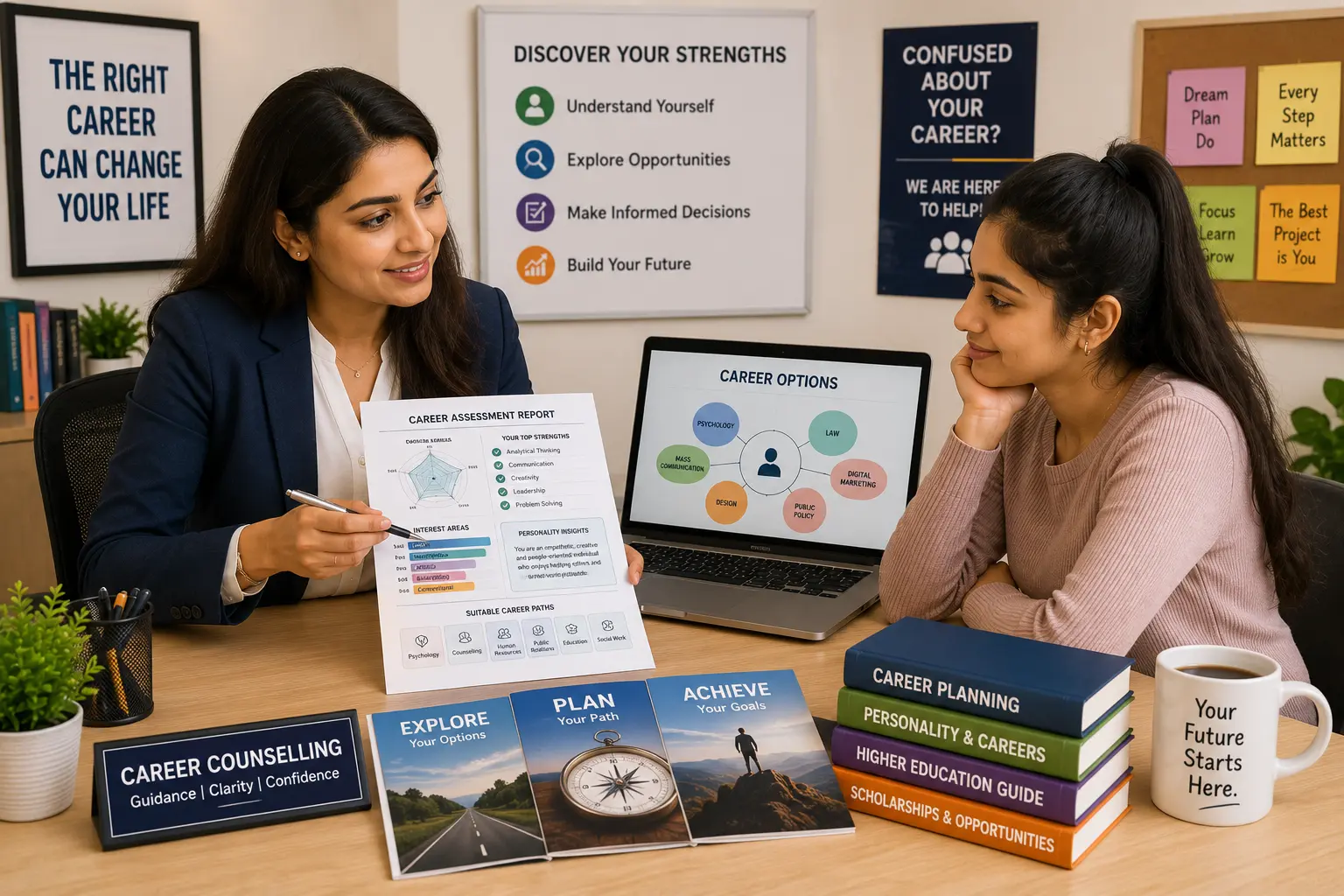
How Career Counselling Helps
Many students confuse hobbies with careers or choose courses because of family expectations.
A career counsellor helps you understand:
- Your interests.
- Your natural abilities.
- Your personality.
- Suitable career paths.
- Future opportunities in different industries.
Instead of guessing, you make decisions based on evidence and self-awareness.
Quick Recap
Before choosing a career, remember:
- You don't need to discover one perfect passion.
- Passion often develops through learning and experience.
- Building strong skills creates more opportunities.
- Explore different careers before making a decision.
- Professional career guidance can reduce confusion and increase confidence.
Conclusion
Choosing a career isn't about finding one perfect passion overnight. It's about understanding yourself, developing valuable skills, and exploring opportunities that align with your strengths and goals. The best career decisions are informed, not rushed.
Book a Career Counselling Session
Book your career counselling session today with Allegiance Educare.
FAQs
1. Is following your passion always the best career choice?
Not always. A successful career should also consider your skills, strengths, opportunities, and long-term goals.
2. What if I don't know my passion?
That's completely normal. Exploring different experiences and learning new skills often helps you discover what you enjoy.
3. Can passion develop over time?
Yes. Many people become passionate about their work after gaining experience and confidence.
4. Should I choose a career based only on my interests?
No. Consider your abilities, personality, career opportunities, and future job demand as well.
5. How can career counselling help?
Career counselling helps you identify careers that align with your interests, strengths, personality, and future aspirations.

Leave a Comment
To post comment, please